
You Don’t Need All the Right Words: How Faith Communities Can Help Prevent Suicide

Author: Maria Idoni, Executive Director
The American Foundation for Suicide Prevention –
Hudson Valley/Westchester Chapter
September is Suicide Prevention Month, an important opportunity to talk openly about something that too often remains hidden. When we think about suicide prevention, we may picture therapists, psychiatrists, crisis counselors, or hospitals. Yes, these professionals play essential roles, but suicide prevention also happens in ordinary places: around kitchen tables, in workplaces, schools, neighborhoods, and faith communities.
It happens when one person notices that another does not seem like themselves. It happens when someone is willing to ask a difficult question.
And sometimes, it happens simply because another human being is willing to listen.
Faith communities are uniquely positioned to be part of that safety net. Faith leaders are often among the first people someone turns to during grief, crisis, family difficulty, illness, or emotional pain. A trusted faith community can provide connection, belonging, purpose, and support. But faith leaders do not need to become mental health professionals to make a difference. They need to know how to recognize when someone may need help, how to begin a conversation, and how to connect that person to appropriate support.
Notice Changes
There is no single sign that tells us someone is considering suicide. What is often most important is a change in someone's usual behavior, particularly following a painful event, loss, or major life change.
Someone may talk about feeling hopeless, trapped, like a burden, or having no reason to live. They may withdraw from family, friends, activities, or their faith community. Changes in sleep, increased alcohol or substance use, agitation, extreme mood changes, giving away possessions, or saying goodbye can also signal that someone is struggling.
The goal is not to diagnose someone. It is simply to notice. Sometimes the person who says, "You haven't seemed like yourself lately. How are you really doing?" opens a door that no one else has opened.
Ask the Question
One of the most common fears I hear is, "What if I say the wrong thing?" That fear can cause us to say nothing at all. If you are concerned that someone may be thinking about suicide, it is okay and important to ask directly:
"Are you thinking about suicide?"
You do not need special language or a counseling degree. You need compassion, calmness, and a willingness to hear the answer. Asking directly about suicide does not create suicidal thoughts. Instead, it communicates something powerful: I see that you are hurting, and I am willing to talk about this with you.
Then listen. Resist the urge to immediately solve the problem, offer advice, or explain why they should feel differently. You may not know what to say next. Sometimes, "I'm really glad you told me." Is enough to keep the conversation going.
Know When to Connect Someone to Help
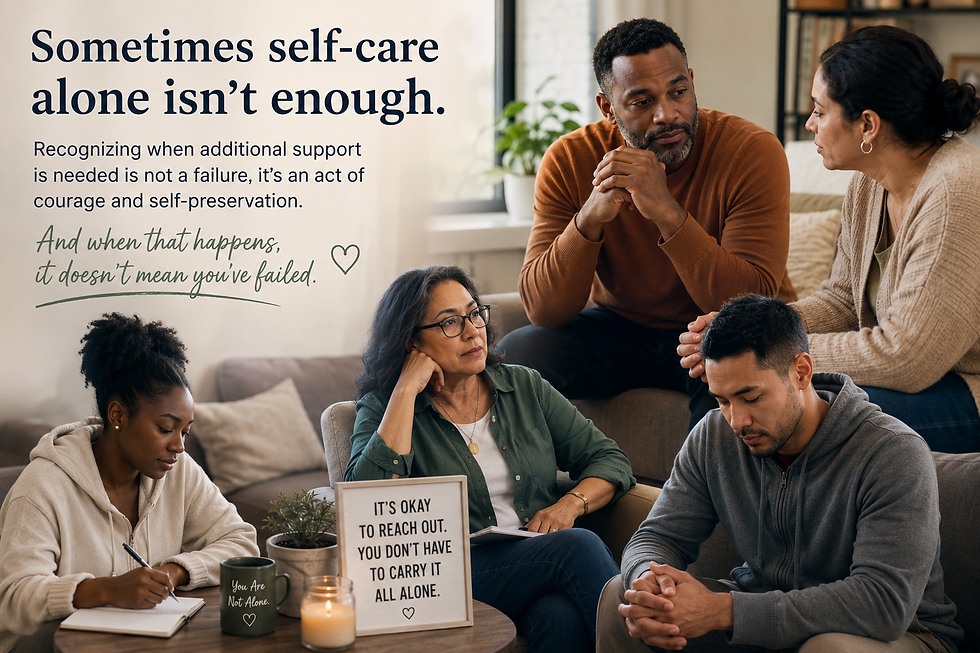
Faith and spiritual support can be meaningful sources of comfort, connection, and hope. But they should not replace professional mental health care when someone is at risk. Faith communities can prepare before a crisis occurs. Know your local mental health resources. Build relationships with providers. Keep crisis information readily available. Make it normal to talk about counseling, therapy, medication, peer support, and other forms of care without shame.
If someone tells you they are thinking about suicide, take them seriously. Stay connected and help them reach appropriate support.
Anyone in the United States can call or text 988 to reach the Suicide & Crisis Lifeline for free, confidential support. In an immediate life-threatening emergency, call 911 or seek emergency medical care.
Helping someone connect with professional care does not diminish the spiritual role of a faith community. It is part of caring for the whole person.
Create a Community Where People Can Speak Honestly
Suicide prevention should not begin only when someone is in crisis. Faith communities can create environments where people feel safer discussing mental health long before a crisis develops. That might mean including mental health resources in a bulletin or website, hosting a suicide prevention education program, training staff and volunteers to recognize warning signs, or developing relationships with local clinicians and community organizations. It also means considering the language we use. When people fear they will be judged, blamed, shamed, or told their struggle reflects a lack of faith, they may become less likely to ask for help.
Instead, our communities can communicate:
You can be a person of faith and experience depression.
You can pray and see a therapist.
You can love your community and still feel alone.
You can struggle and still deserve help.
Those messages matter.
One thing I have learned through my work with the American Foundation for Suicide Prevention is that people often underestimate their ability to make a difference.
You do not need all the answers.
You do not need the perfect words.
You need to be willing to notice, ask, listen, and connect.
Suicide prevention belongs to all of us. Faith leaders, clinicians, educators, employers, families, friends, and neighbors each have a role. When communities become more comfortable talking about suicide and mental health, we make it easier for people to reach for help. And sometimes the most important thing we can offer another person is very simple: You do not have to carry this alone.

Author: Maria Idoni, Executive Director
The American Foundation for Suicide Prevention – Hudson Valley/Westchester Chapter
To find out more about suicide prevention programs: https://afsp.org/community-programs/


Comments